PORTLAND’S PLAN 2030

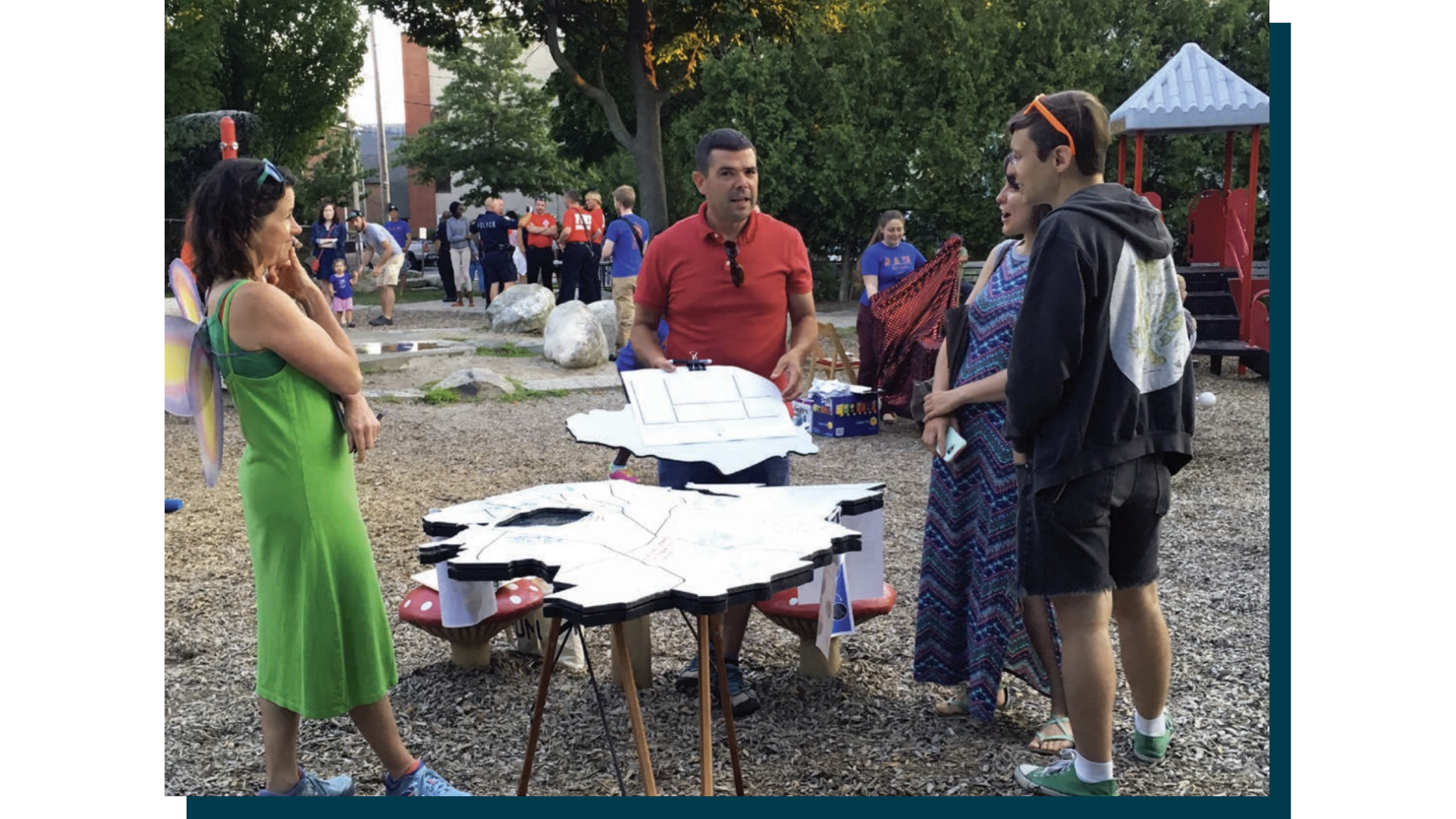
In 2017, Portland adopted Portland's Plan 2030, a comprehensive plan shaped by thousands of residents, businesses, community organizations, and other stakeholders. It established a shared vision for Portland's future and a framework for decisions about how the city grows, invests, moves, adapts, and serves its community.
A comprehensive plan is only meaningful if it leads to action. Take a look at a few of the examples of accomplishments from Portland’s Plan 2030.

  • MODERNIZING THE LAND USE CODE

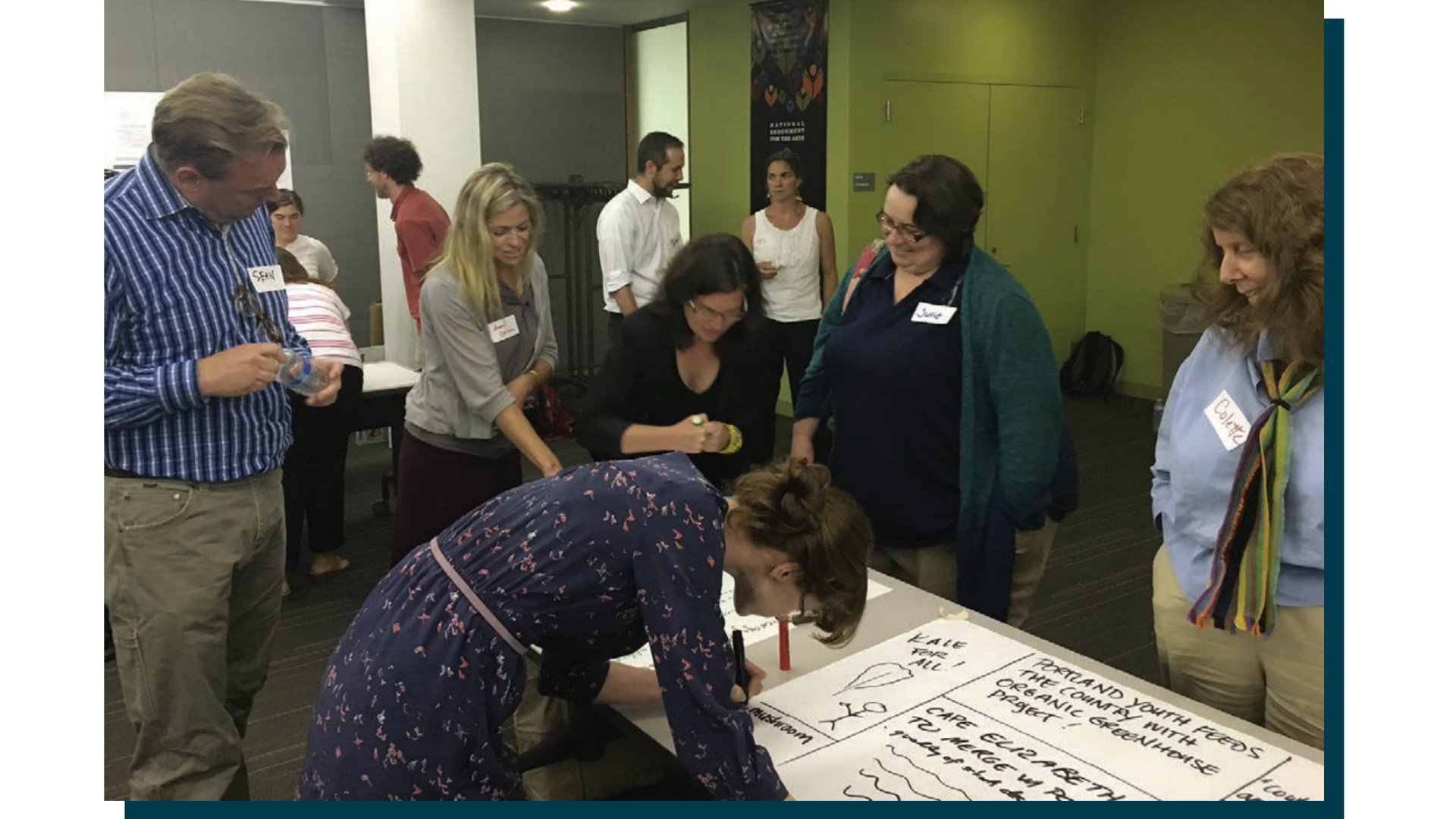
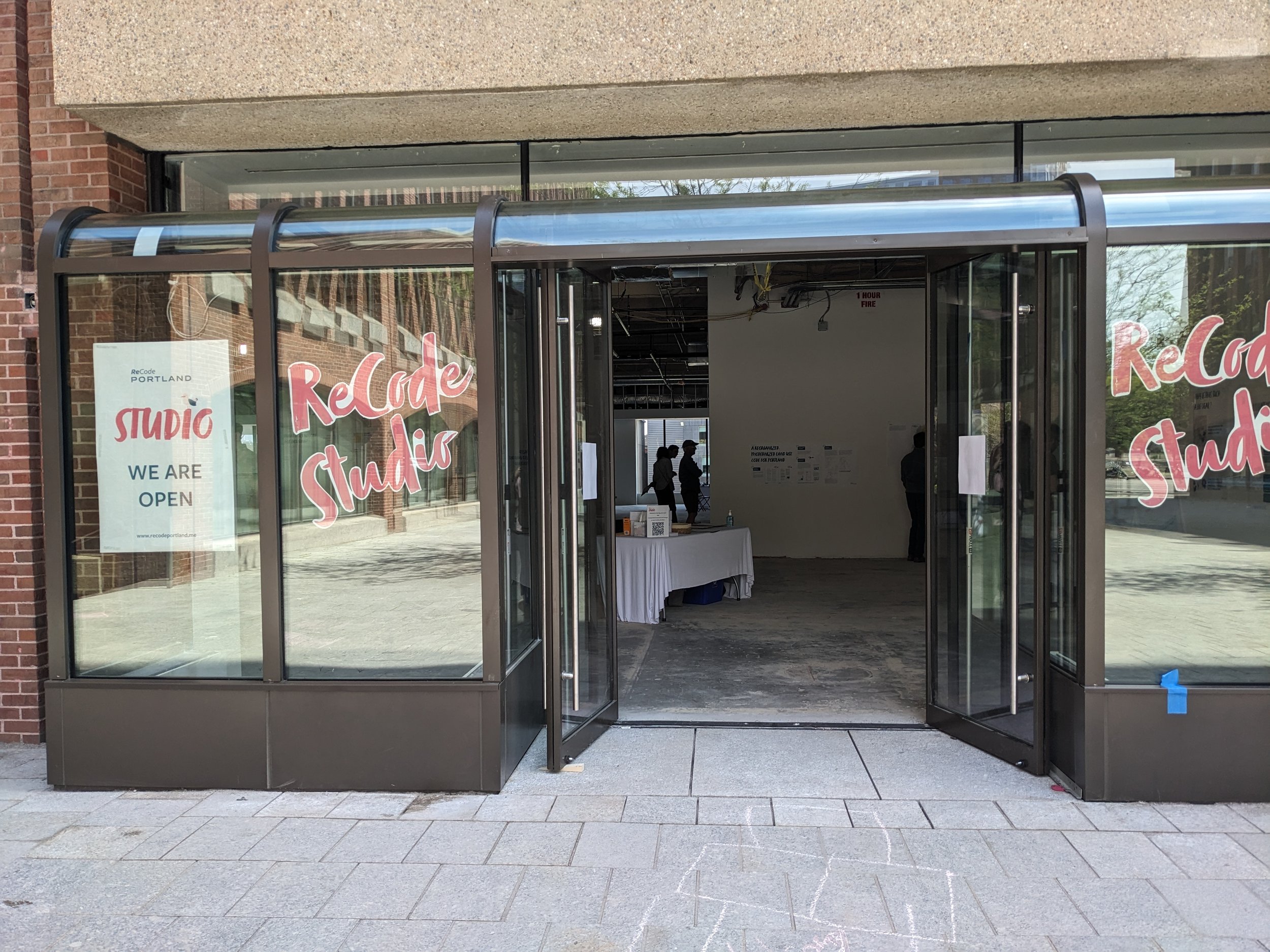
    In 2024, Portland adopted ReCode, its first comprehensive rewrite of the City's Land Use Code and zoning map in more than 50 years. The new code puts Plan 2030's vision into practice by expanding housing opportunities, encouraging mixed-use and transit-oriented development, and supporting more walkable neighborhoods. ReCode establishes a modern framework for guiding Portland's growth for years to come.

  • PLANNING FOR CLIMATE CHANGE

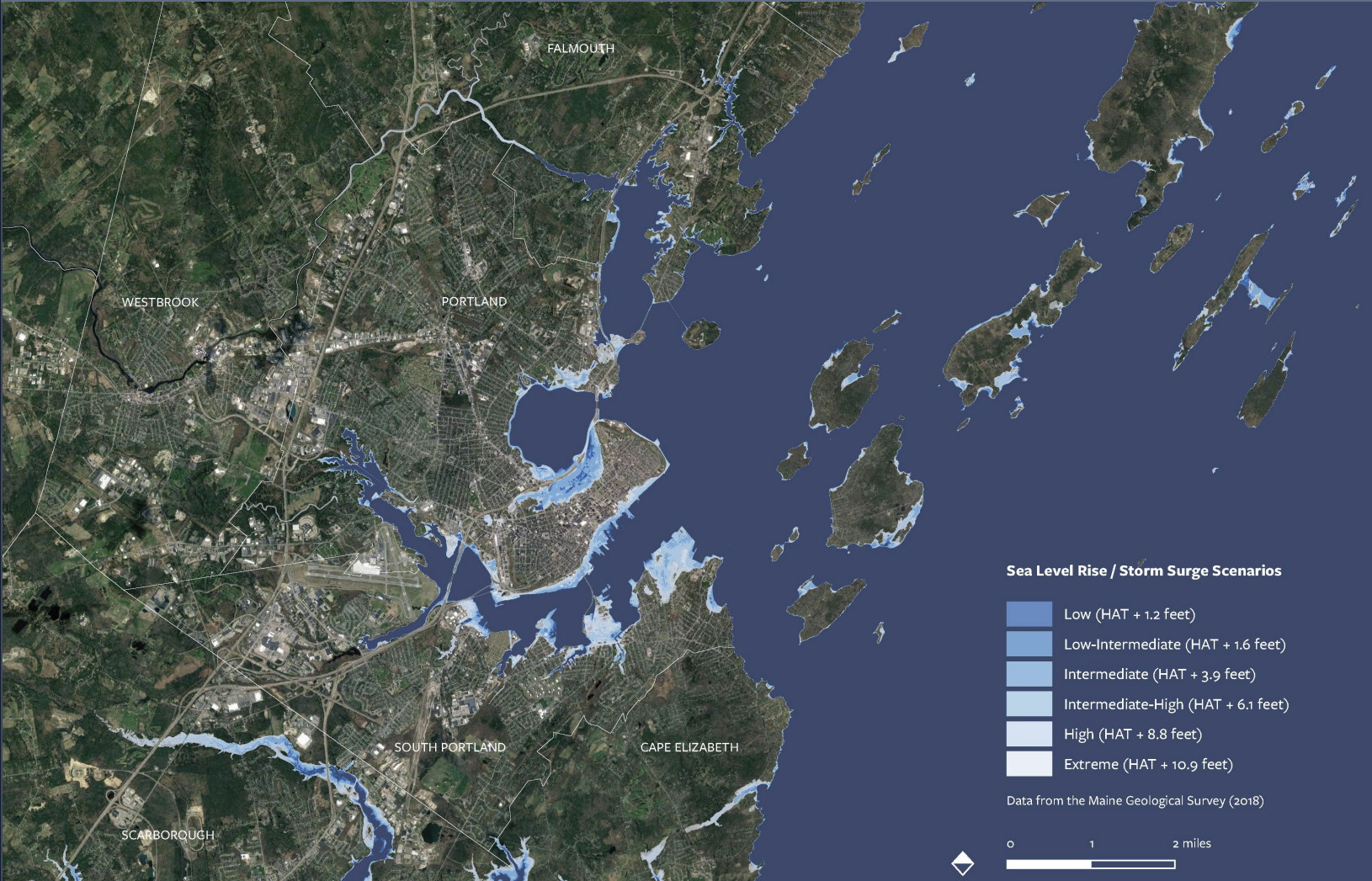
    Since Portland’s Plan 2030 was implemented, Portland and South Portland adopted One Climate Future, with more than 70% of its climate strategies now underway. Together, the cities have generated over 63 million kilowatt-hours of solar electricity, saving more than $5 million, and adopted Maine's first Energy Stretch Code. Portland has also established a Coastal Flood Resilience Overlay Zone to protect vulnerable areas from future flooding and sea-level rise.

  • BRINGING PARKS CLOSER TO HOME

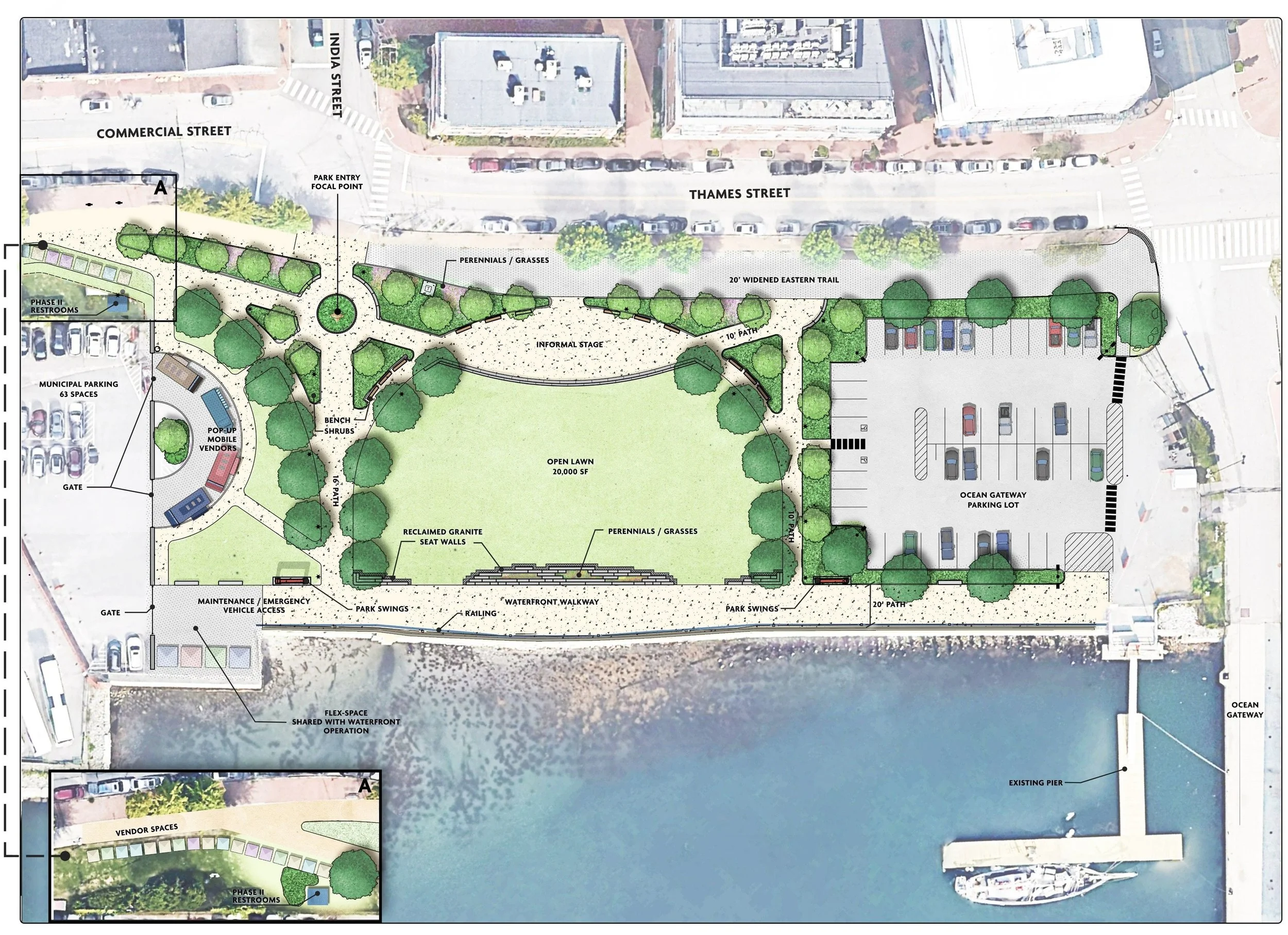
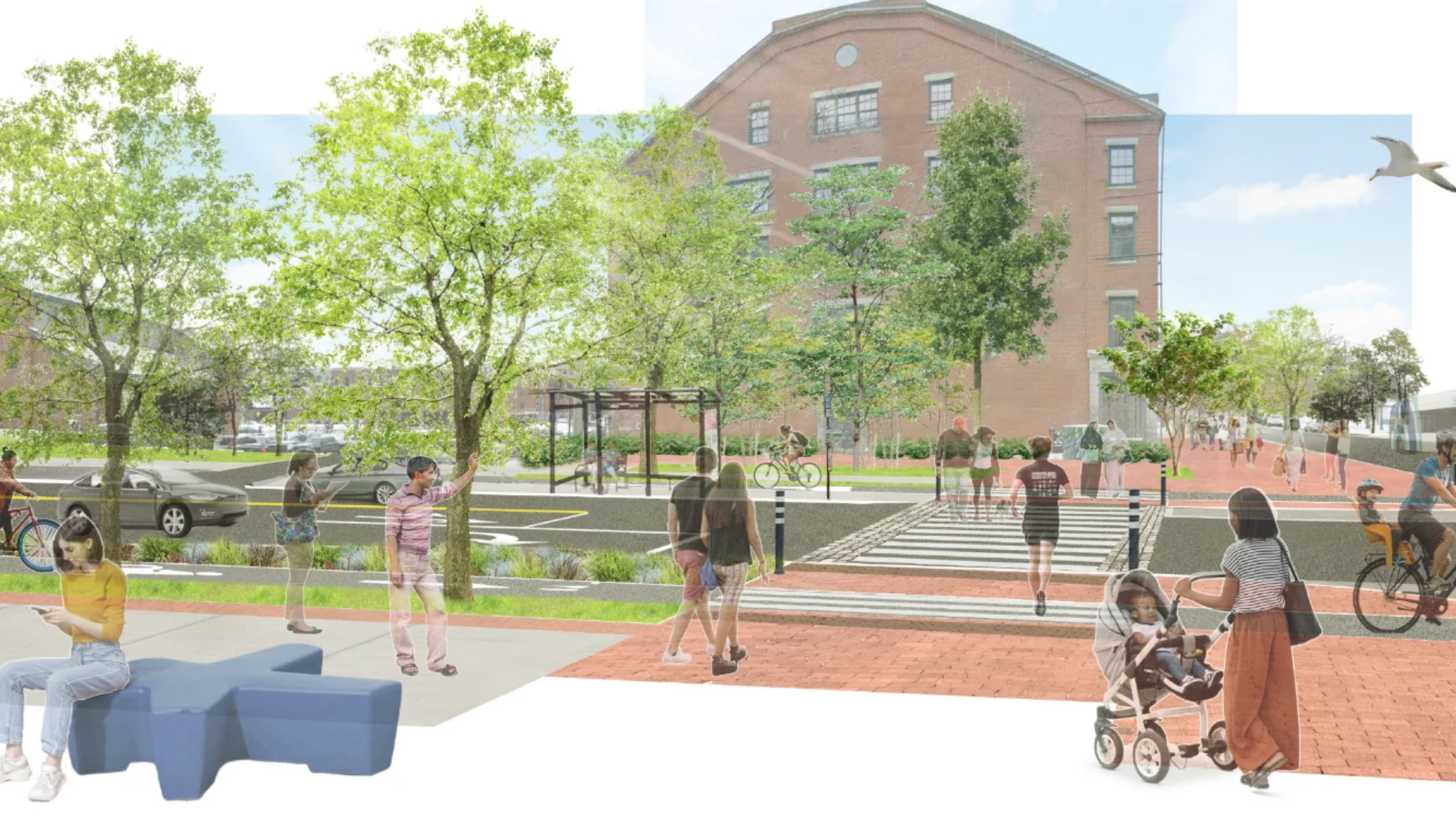
    Portland is bringing parks and open spaces closer to more residents. Since Plan 2030, the City has acquired 24 acres for North Deering Park, protected additional land at Redlon Woods, and advanced First Light Commons (rendering shown in image), a new 3.5-acre waterfront park. These investments are expanding access to recreation and nature while creating a more connected network of parks, trails, and public spaces.

  • BUILDING SAFER, MORE COMPLETE STREETS

    Portland is advancing Plan 2030's vision for safer, more accessible streets through new transportation policies and major street redesign projects. Since 2017, the City has adopted its first Vision Zero Action Plan, strengthened its Complete Streets Policy, and advanced plans to reconnect neighborhoods along Franklin Street, improve safety on Forest Avenue, and transform circulation and pedestrian access in Libbytown. Together, these initiatives are laying the groundwork for safer, more connected streets across Portland.

  • GROWING PORTLAND'S ECONOMY

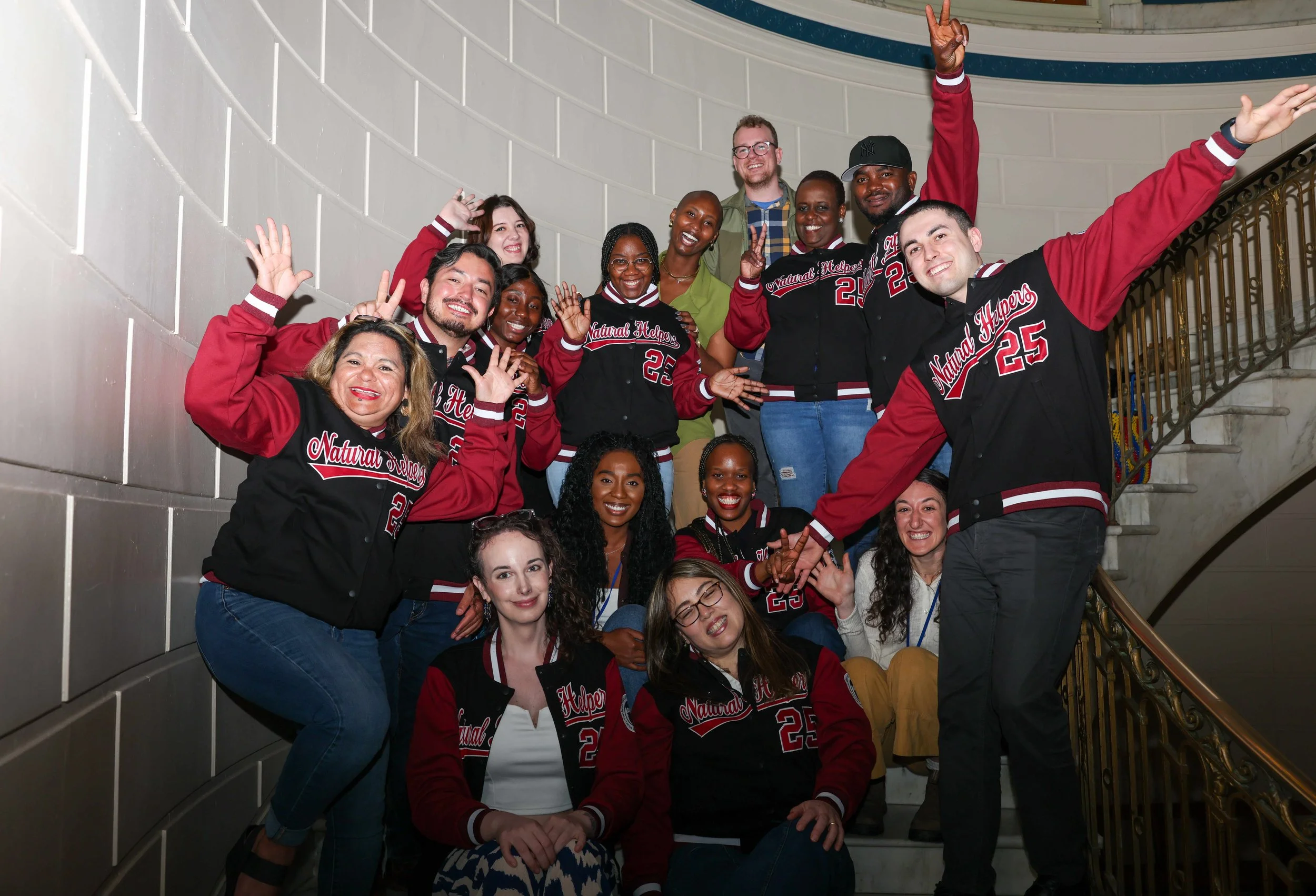
    Since Plan 2030, Portland has expanded its approach to economic development by investing in businesses, people, and places. The City established the Office of Economic Opportunity to connect residents, particularly immigrants and New Mainers, with employment, training, and entrepreneurship resources - including through the Natural Helpers program (2026 Cohort shown here). Continued small business financing and new federal Brownfields funding to support the redevelopment of underutilized properties are helping create opportunities for businesses and residents across Portland.

  • PRESERVING PORTLAND'S CHARACTER

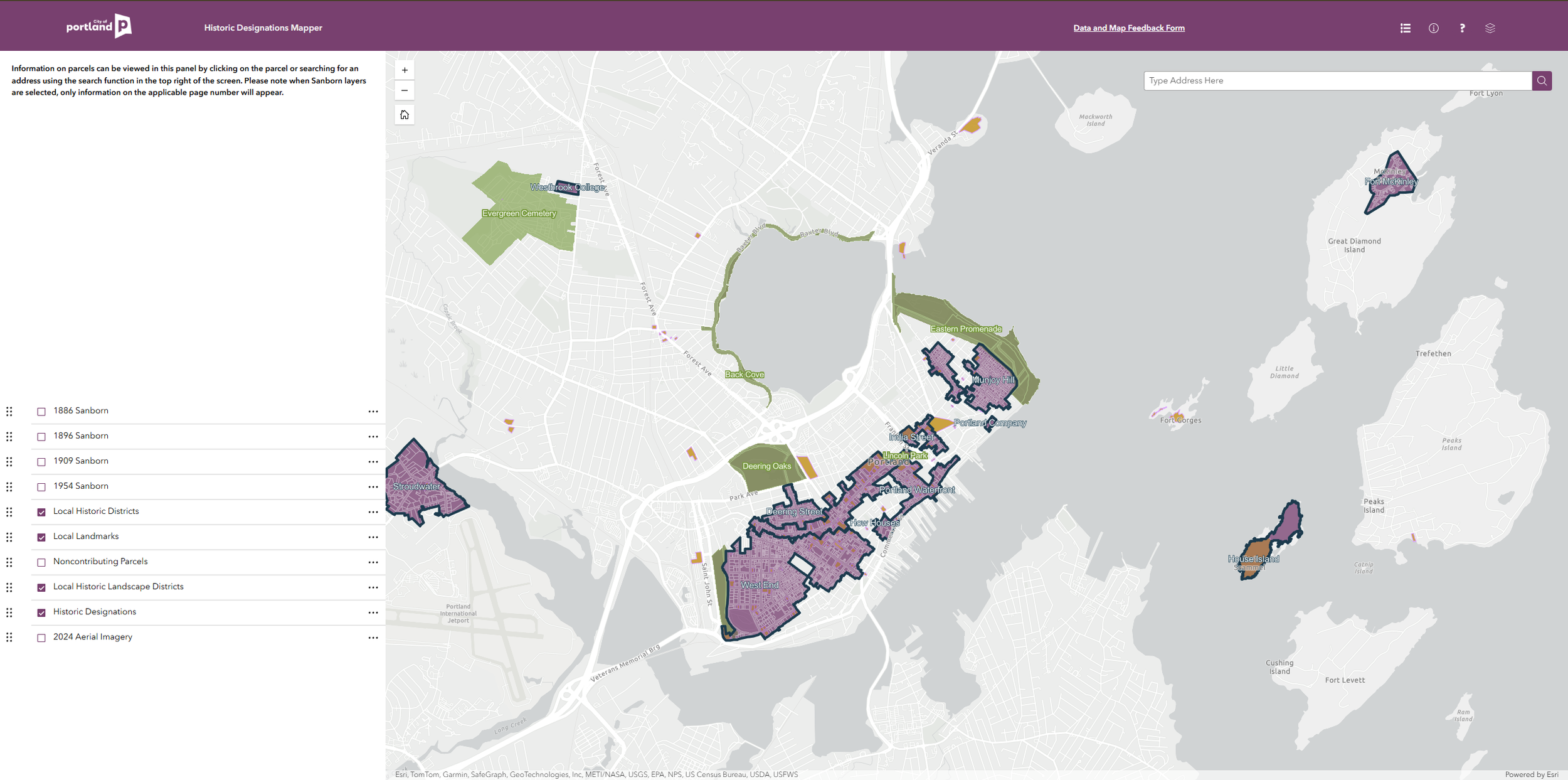
    Portland has taken important steps to protect the historic buildings and neighborhoods that define its character. Since Plan 2030, the City established the Munjoy Hill Historic District, updated its Historic Resources Design Manual, and launched an interactive Historic Preservation Mapper (shown here). These accomplishments strengthen historic preservation while supporting reinvestment and thoughtful change in Portland's neighborhoods.

  • INVESTING IN ARTS & CULTURE

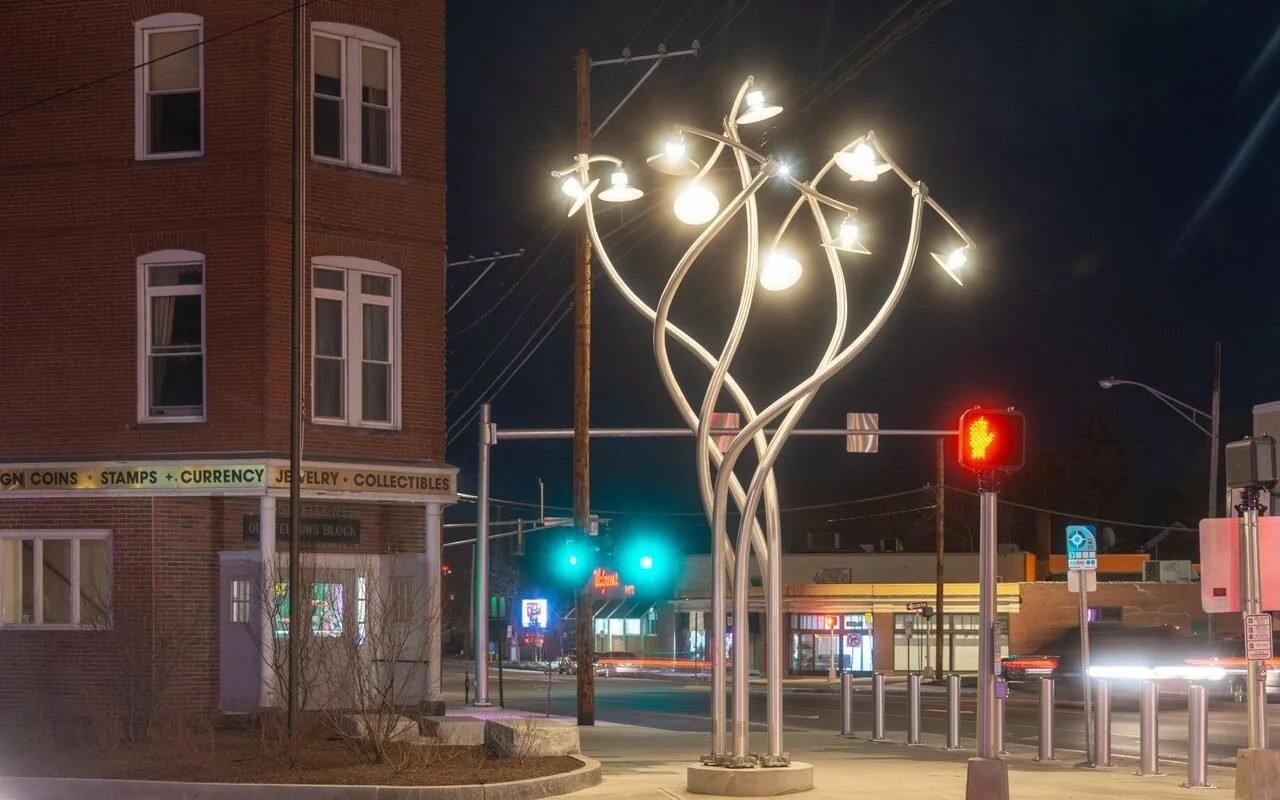
    Portland has continued expanding its public art collection, incorporating new installations into streets, parks, and civic spaces. Since Plan 2030, public art projects at Woodford's Corner (shown here) and the USM Roundabout have brought new creative elements into everyday public spaces, with additional work advancing at First Light Commons. These investments reflect the City's commitment to making art a visible and accessible part of Portland's neighborhoods.

  • INVESTING IN A STRONGER FISCAL FOUNDATION

    Implementing Plan 2030 has required sustained investment and a range of financial resources. Since 2017, Portland has combined local capital funding, state and federal grants, bonds, and other financing tools to support major infrastructure and community projects. These resources, including $46.3 million in federal pandemic recovery funding, have helped turn long-term planning priorities into investments across the city.

  • IMPROVING SERVICES

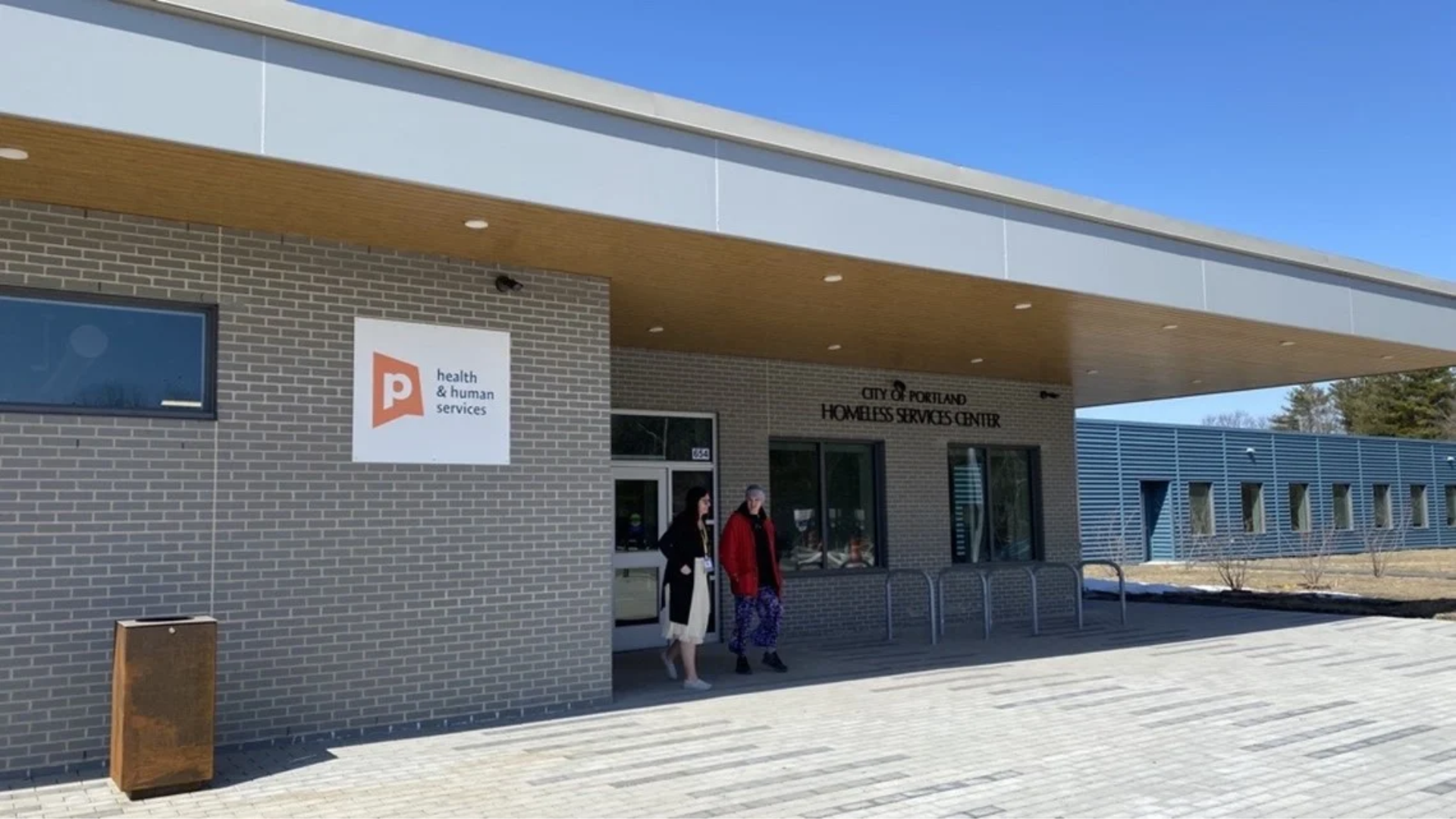
    Since Plan 2030, Portland has made significant investments in public facilities that residents rely on every day. The City completed $64 million in renovations to four elementary schools, opened the new Rising Eddy Community Pool, and established the Homeless Services Center (shown right). These projects have improved places to learn, swim, and access essential services, strengthening public facilities across the city.

  • EXPANDING HOUSING OPPORTUNITY

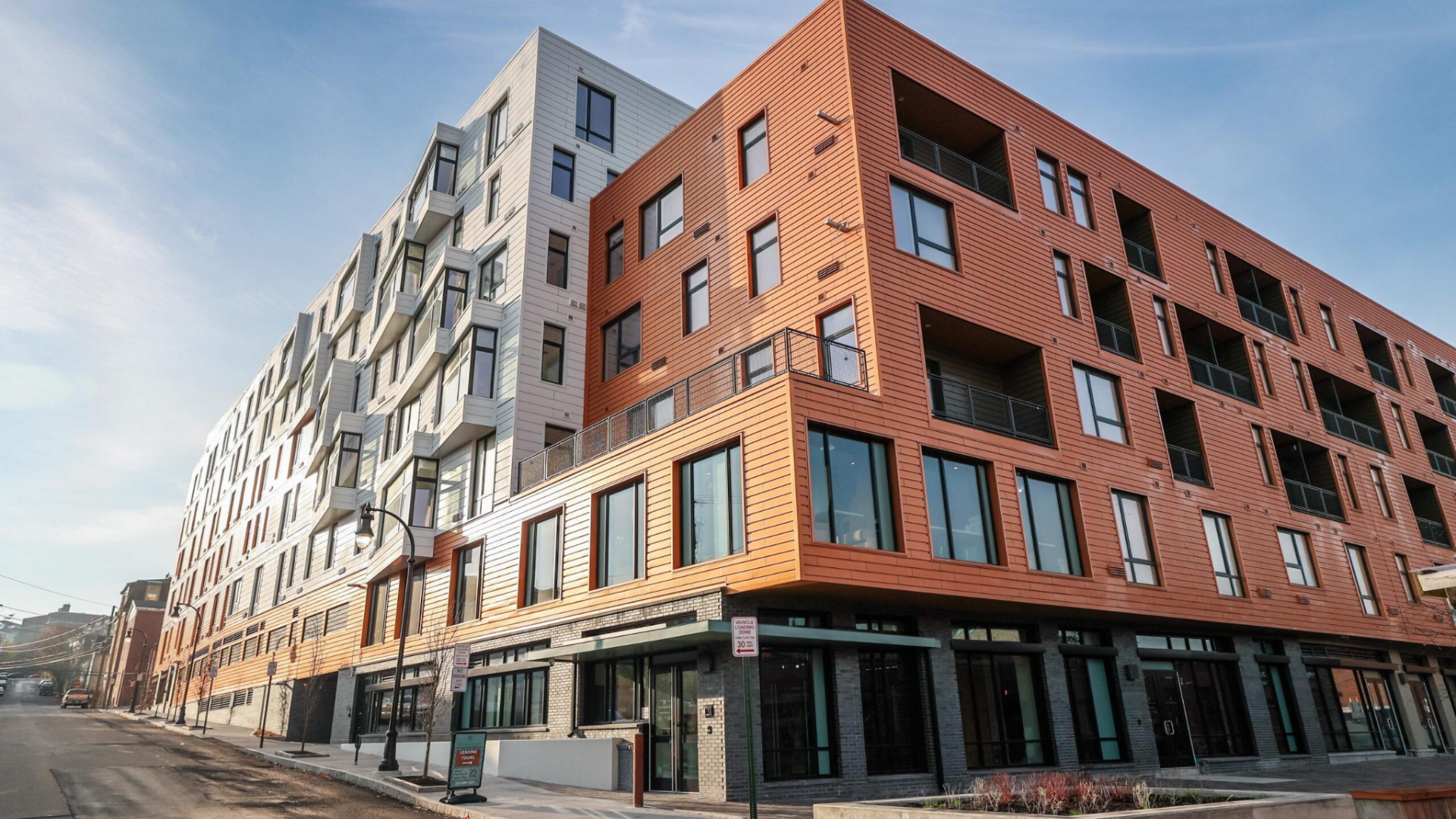
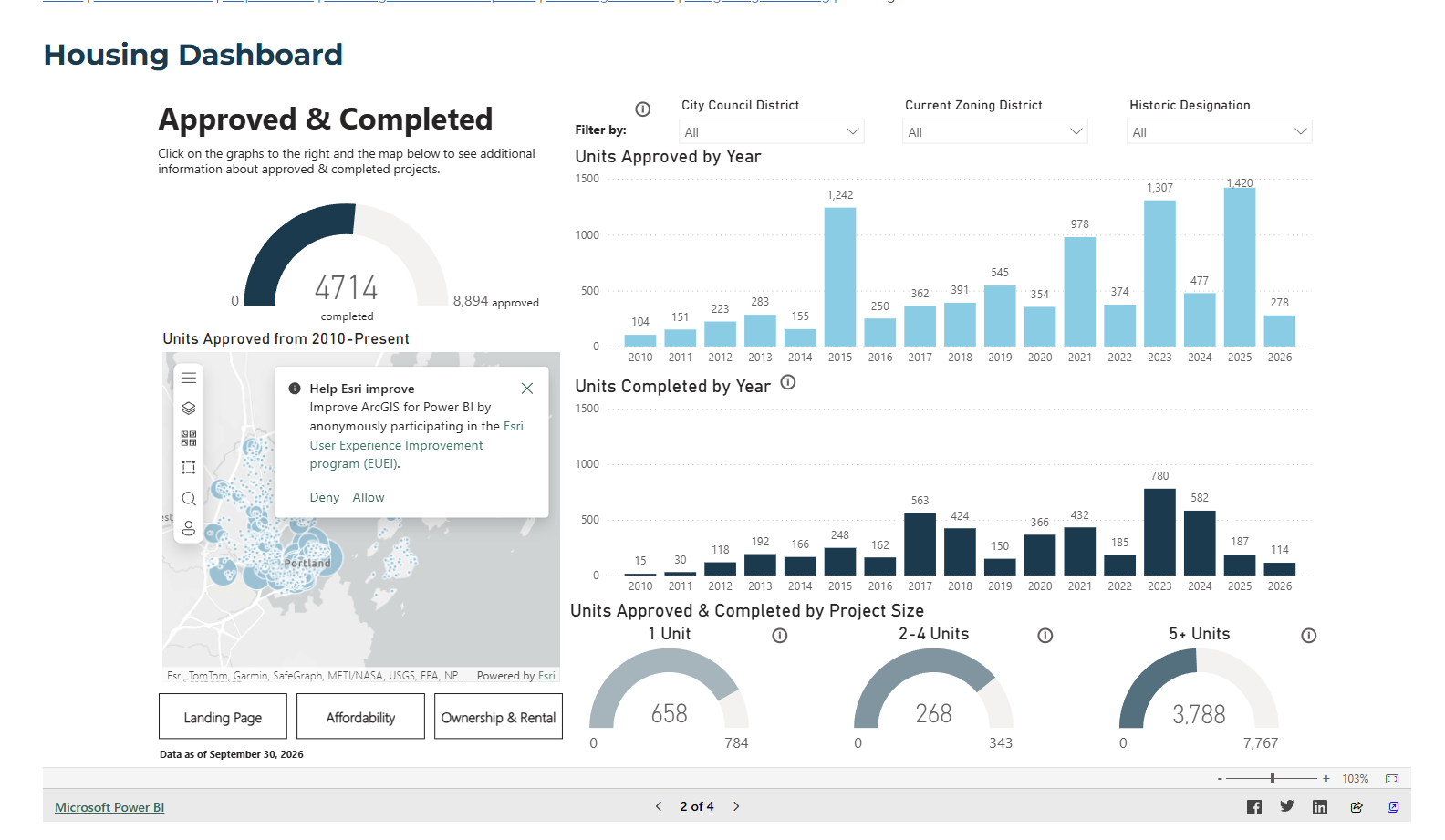
    Between 2017 and 2025, Portland added 3,669 new homes, exceeding the housing production target established in Plan 2030 by nearly 50%. The City has undertaken major zoning reforms to expand housing opportunities while continuing to support affordable housing development through its Housing Trust Fund and state and federal housing programs. While affordability remains a pressing challenge, these efforts have expanded Portland's housing supply and created new opportunities for housing development across the city.

  • PROTECTING PORTLAND'S WATERWAYS

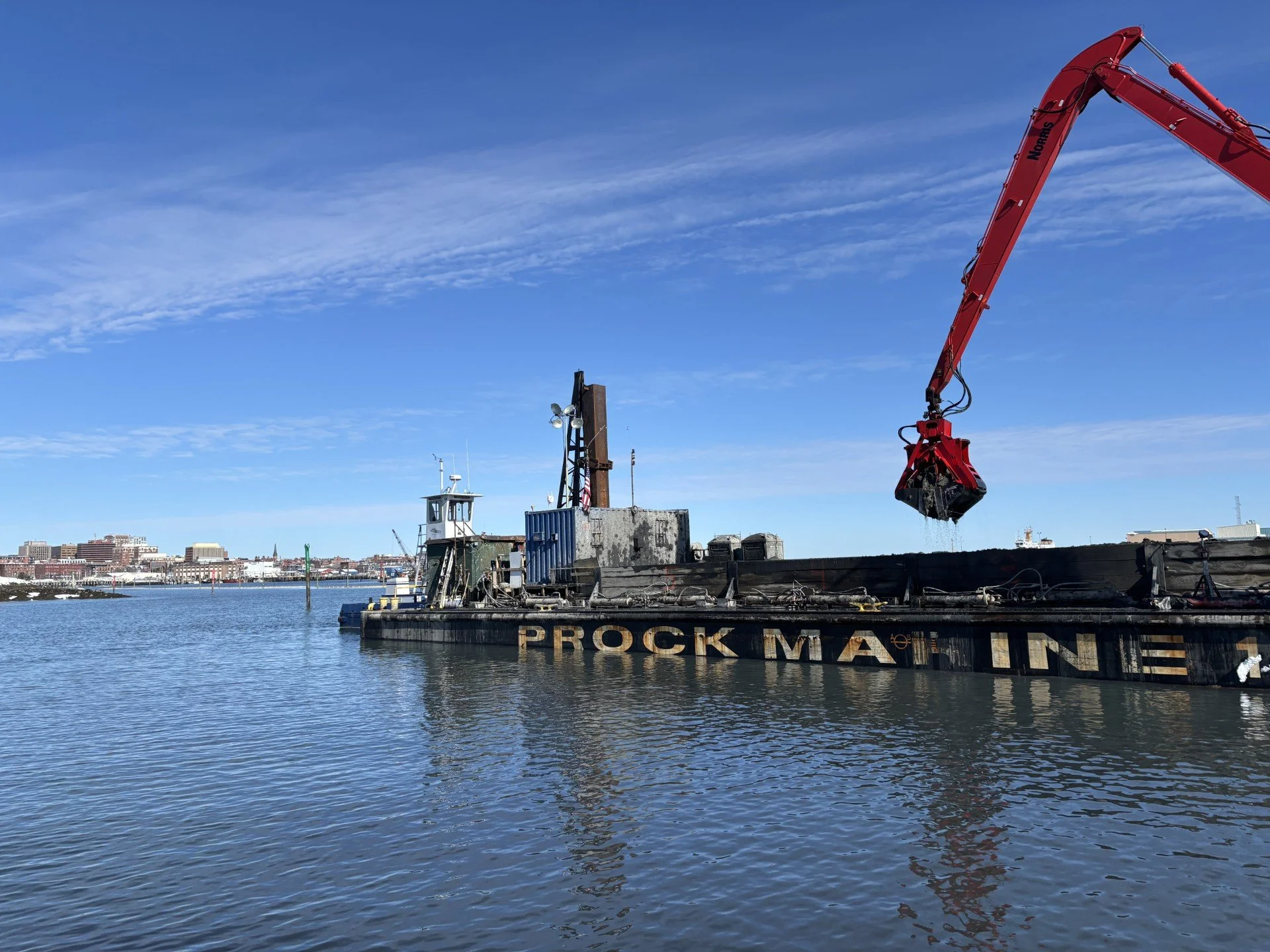
    Portland has made major investments in wastewater and stormwater infrastructure to reduce pollution and protect the City's waterways. In 2025, the City completed the Back Cove South Storage Conduit, a major project designed to reduce combined sewer overflows into Back Cove. Ongoing sewer improvements, strengthened stormwater management standards, and new Low Impact Development (LID) requirements are further advancing Plan 2030's goals for cleaner waterways.

  • MAKING INFORMATION EASIER TO USE

    Portland has made it easier for residents to access and explore information about their city. Interactive tools, including the City's digital zoning map, Housing Data Dashboard, Historic Preservation Mapper, and Site Plan Application Mapper, make important information more accessible to the public. These resources advance Plan 2030's goals of greater transparency, informed decision-making, and public engagement.